Best BBQ Bark Rub Recipe: Build Championship Crust Every Time
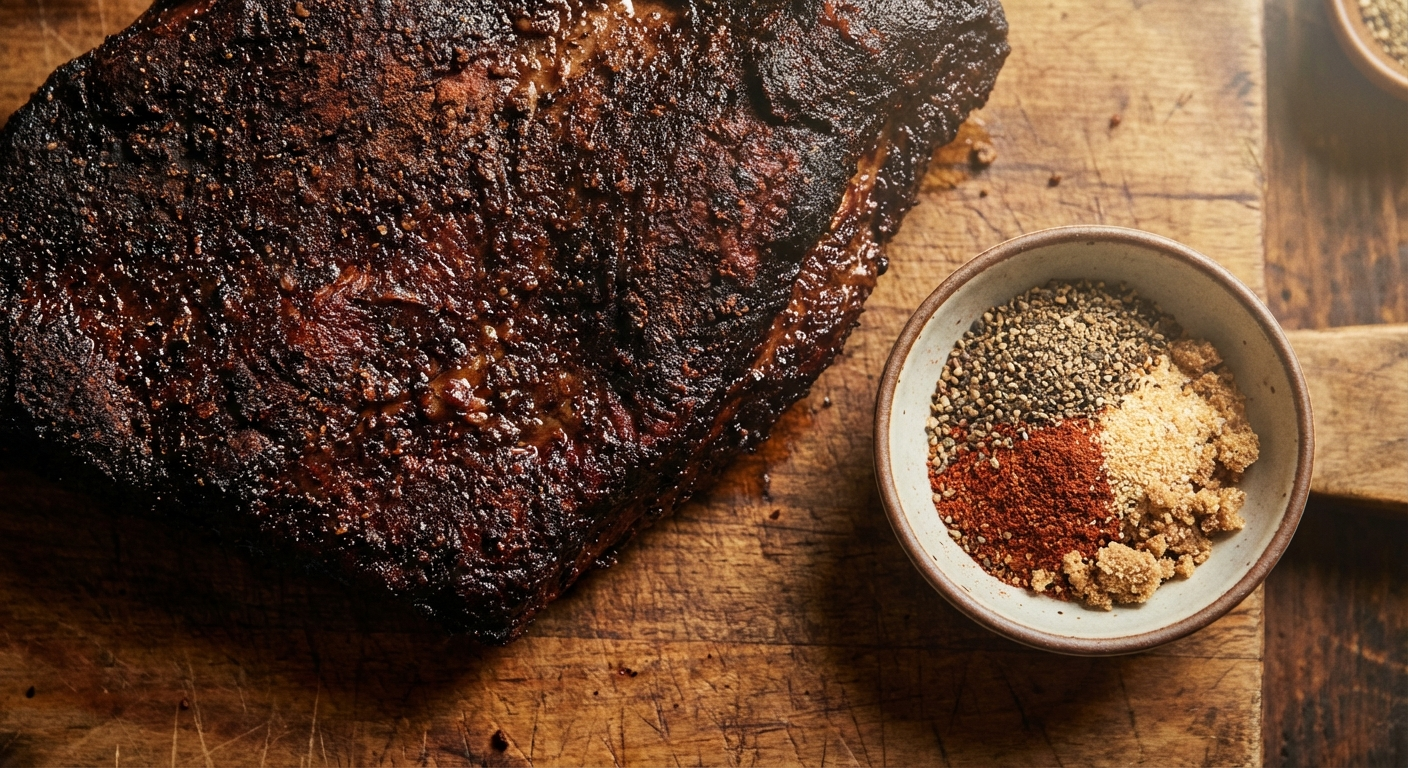
Here's the truth every serious pitmaster eventually figures out: bark doesn't start in the smoker. It starts in the rub. The spices you choose, the ratios you mix, and the way you apply them determine whether you end up with that gorgeous mahogany crust or a disappointingly pale piece of meat that spent twelve hours in smoke for nothing.
I've tested dozens of rub combinations over the years, and I can tell you with certainty—some ingredients are bark builders, and some are bark killers. Understanding the difference is the single biggest upgrade most backyard pitmasters can make. Let me walk you through exactly what works, why it works, and give you three proven formulas you can use this weekend.
Why Your Rub Determines Bark Quality
Bark forms through a combination of the Maillard reaction, caramelization, and smoke adhesion. Your rub provides the raw materials for all three processes. Without the right surface chemistry, smoke has nothing to bind to, sugars have nothing to caramelize against, and proteins can't polymerize into that dark, flavorful crust.
Think of your rub as construction material. The meat provides the foundation, smoke provides the color and flavor depth, but the rub provides the actual building blocks. A bare piece of meat will develop some bark, sure—but it'll be thin, inconsistent, and lacking complexity. A well-rubbed piece of meat gives every chemical reaction the fuel it needs.
The key insight is that different ingredients serve different roles in bark formation:
- Coarse particles (cracked pepper, granulated garlic) create texture and surface area for smoke adhesion
- Sugars (brown sugar, turbinado) caramelize and darken the surface
- Salt draws moisture to the surface, then helps it evaporate—essential for the Maillard reaction
- Paprika and chili powders add color compounds that darken dramatically under heat
- Fine powders (onion powder, mustard powder) fill gaps and create a uniform coating
The Science Behind Each Bark-Building Ingredient
Not all spices contribute equally to bark. Here's what each ingredient actually does on the surface of your meat during a long cook.
Coarse Black Pepper — The Texture Foundation
Coarse-ground black pepper is the single most important bark ingredient. The large particles create a rough surface that traps smoke particles and provides anchoring points for the developing crust. Piperine, the compound that makes pepper hot, also undergoes thermal decomposition that produces dark-colored compounds. This is why heavy pepper rubs produce the darkest bark.
Use 16-mesh grind or coarser. Fine-ground pepper melts into the surface and provides less texture. For competition-level bark, some pitmasters crack their own peppercorns in a mortar and pestle for maximum irregularity.
Kosher Salt — The Moisture Manager
Salt plays a dual role. First, it draws moisture from the meat's interior to the surface through osmosis. Then, as the smoker's heat evaporates that moisture, it leaves behind dissolved proteins and sugars that participate in the Maillard reaction. Without adequate salt, the meat surface stays too wet for too long, delaying bark formation by hours.
Diamond Crystal kosher salt is the pitmaster standard because its flake structure dissolves predictably. If you're using Morton's, reduce the amount by about 25%—it's denser per volume.
Brown Sugar and Turbinado — The Caramelizers
Sugar is controversial in BBQ rubs. Too much and you get a burnt, bitter surface. Too little and the bark lacks depth and color. The sweet spot (literally) is 10-15% of your total rub by weight. Brown sugar's molasses content provides additional Maillard reaction substrates beyond simple sucrose. Turbinado sugar's large crystals add crunch that persists through the cook.
Sugar begins caramelizing at 320°F. Since bark surface temperatures typically reach 300-350°F during a long smoke, you're right in the caramelization zone. The key is maintaining smoker temperatures at 225-275°F—the meat surface runs hotter than the ambient air, but not so hot that sugars burn.
Paprika — The Color Engine
Paprika doesn't add much flavor at smoking temperatures, but it's a bark color powerhouse. The carotenoid pigments in paprika undergo oxidation and thermal degradation that produces deep red-to-mahogany colors. Smoked paprika adds another dimension—it carries its own smoke flavor compounds that reinforce what your wood provides.
Use about 15-20% paprika in your rub for optimal color without overwhelming other flavors. Hungarian sweet paprika works best for bark because of its high carotenoid content.
Garlic and Onion Powder — The Maillard Accelerators
These aren't just flavor additions. Garlic and onion powders are packed with amino acids and reducing sugars—the exact reactants needed for the Maillard reaction. They're essentially Maillard reaction fuel. Granulated versions (vs. powder) add more surface texture, while powder versions fill in gaps for a more uniform bark.
The ideal approach is using both: granulated garlic for texture and garlic powder for gap-filling. Same with onion. This layered approach creates bark with both macro and micro texture.
Three Proven Bark Rub Formulas
Here are three rubs I've tested extensively. Each produces excellent bark on different meats. All measurements are by weight for consistency—volume measurements vary too much with grind size.
Formula 1: Texas Dalmatian (Brisket)
The classic Central Texas approach. Simple, bold, and produces the darkest bark of any rub I've tested.
- 50% coarse black pepper (16-mesh)
- 30% kosher salt (Diamond Crystal)
- 10% granulated garlic
- 10% coarse-ground coffee (optional but adds incredible depth)
Apply heavily—about 1 tablespoon per pound of meat. The thick coating is essential for bark development on brisket's large, flat surface. Pat it on firmly so it adheres, but don't rub it in aggressively.
Formula 2: Sweet Heat (Pork Shoulder & Ribs)
Pork loves sugar in the rub. This formula balances sweet caramelization with enough spice structure for real bark texture.
- 25% coarse black pepper
- 20% kosher salt
- 15% brown sugar (dark)
- 15% paprika (Hungarian sweet)
- 10% granulated garlic
- 5% granulated onion
- 5% chili powder
- 5% cumin
For ribs, apply a medium-heavy coat and let it sit uncovered in the fridge overnight. The salt draws out moisture, the surface dries, and the rub essentially glues itself to the meat. This head start gives you a 1-2 hour advantage on bark formation the next day.
Formula 3: All-Purpose Competition (Any Meat)
This is the do-everything rub. Not as specialized as the first two, but it produces consistent, excellent bark on anything from chicken thighs to beef ribs.
- 20% coarse black pepper
- 20% kosher salt
- 15% paprika (smoked)
- 10% brown sugar
- 10% granulated garlic
- 10% granulated onion
- 5% mustard powder
- 5% chili powder
- 5% cumin
Mustard powder is the secret weapon here. It's loaded with enzymes and proteins that participate in both Maillard and enzymatic browning reactions, plus it fills surface gaps beautifully for uniform bark coverage.
Application Techniques That Maximize Bark
Having the right rub means nothing if you apply it wrong. Here's how to get maximum bark from your rub.
The Binder Question
Many pitmasters use mustard, olive oil, or hot sauce as a "binder" before applying rub. Does it matter? Honestly, the binder itself doesn't contribute much to bark—it burns off in the first hour. What it does is give the rub something to stick to during the initial application. Without a binder, a lot of rub falls off when you move the meat.
Yellow mustard is the best binder for bark purposes. Its acidity helps denature surface proteins slightly, creating a tackier surface that holds more rub. The mustard flavor disappears completely during the cook.
Apply Heavy, Then Wait
The most common mistake is applying too little rub. Bark needs material to work with. A thin dusting gives you thin bark. A generous coating—where you can barely see the meat underneath—gives you thick, substantial bark.
After applying rub, let the meat sit uncovered in the refrigerator for at least 1 hour, ideally overnight. This allows salt to draw out surface moisture, which then redissolves the rub into a paste-like coating called the "pellicle." This pellicle is bark's best friend—it's a concentrated layer of seasoning, protein, and moisture that's primed for every browning reaction the smoker throws at it.
Don't Touch It During the Cook
Every time you open the smoker, spray the meat, or move it around, you're disrupting bark formation. The developing crust is fragile for the first 3-4 hours. After that, it's set enough to handle some handling, but early in the cook, leave it alone. If you're looking, you're not cooking—and if you're spraying, you're softening.
The exception: some pitmasters spray with apple cider vinegar or apple juice at hours 4-5 specifically to add a thin sugar layer that enhances the final bark. This works because the bark has already set by then, and the additional sugars caramelize in the remaining cook time.
Ingredients That Kill Bark (Avoid These)
Just as some ingredients build bark, others actively sabotage it.
- Excess sugar (over 20% of rub): Burns before bark can form properly, creating a bitter, flaky surface instead of a chewy crust
- Dried herbs (oregano, thyme, rosemary): They burn at smoking temperatures and create ashy, bitter spots. Save herbs for grilling, not smoking.
- White sugar: Caramelizes too fast and burns easily compared to brown sugar or turbinado. If you must use it, keep it under 5%.
- Too much cayenne: Doesn't hurt bark formation, but masks everything else. Keep cayenne under 3% so you can actually taste the bark's complexity.
- Liquid-heavy marinades before rubbing: A wet meat surface delays bark formation by hours. If you marinate, pat the meat completely dry before applying rub.
Matching Your Rub to Your Smoker
Your smoker type affects how bark forms, and your rub should account for that.
Offset smokers produce the most smoke and the most consistent airflow. Use any rub formula confidently—the high smoke output will reinforce whatever bark your rub builds. Offsets are the most forgiving for bark.
Pellet smokers run cleaner with less smoke output. Compensate with a heavier rub application and consider adding smoked paprika or smoked salt to boost smoke flavor. Pellet smokers also tend to run more humid, which can slow bark formation—lower your water pan or remove it entirely.
Kamado/ceramic cookers are extremely efficient and retain moisture well. This humidity can be bark's enemy. Use slightly less sugar in your rub (sugar absorbs ambient moisture) and consider cracking the vent wider than normal to let moisture escape.
Kettle grills (indirect) produce great bark because their open airflow dries the meat surface quickly. But temperature control is tricky—watch for hot spots that can burn the rub on one side. Rotate the meat 180° halfway through if your bark is developing unevenly.
Troubleshooting Common Bark Rub Problems
Bark is too dark/bitter: Too much sugar or too high a cooking temperature. Reduce sugar to 10% and keep your smoker under 275°F. Also check for flare-ups that might be scorching the surface.
Bark won't form at all: Your meat surface is too wet. Pat it dry before rubbing. Apply rub the night before and let it sit uncovered in the fridge. Make sure your smoker vents are open enough for moisture to escape.
Bark is forming unevenly: Uneven rub application or hot spots in your smoker. Apply rub more uniformly, and rotate the meat 180° every 2-3 hours. Also ensure fat cap isn't shielding one side from heat.
Bark is gummy/tacky instead of firm: The cook needs more time, or your smoker is too humid. Resist the urge to wrap early. Bark sets and firms up in the final 2-3 hours of cooking when surface moisture is completely gone.
Rub falls off during cooking: You didn't use a binder, or the meat wasn't dry enough. Apply mustard first, then rub. Press the rub firmly. Refrigerate overnight to set.
Storage and Batch Prep
Mix rubs in large batches and store them properly. Keep your rub in an airtight container away from light and heat. Most dry rubs last 3-6 months at full potency. If your rub contains sugar, be aware it can clump in humid environments—add a few grains of raw rice to absorb moisture, or store sugar separately and mix fresh each time.
Label every batch with the date and formula name. Nothing's worse than grabbing the wrong rub at 5 AM when you're loading the smoker. I keep my Texas Dalmatian in a shaker jar right next to the pepper grinder for quick access.
Final Thoughts
Great bark is 80% rub and 20% technique. Get your rub formula dialed in for the meat you're cooking, apply it generously, give it time to set, and then let the smoker do its work without interference. Start with the three formulas above, adjust to your taste, and keep notes on what works for your specific setup.
The best pitmasters I know all have a signature rub they've refined over years of small adjustments. Start with a proven base, change one variable at a time, and document your results. Within a few cooks, you'll have your own go-to formula that produces bark worth bragging about. For more on the broader bark formation process, check out our BBQ Bark Formation Guide and learn about how different smoking woods complement your rub choice.
Frequently Asked Questions
Can I use the same rub for brisket and ribs?
You can, but results are better when you match the rub to the meat. Brisket benefits from heavier pepper and less sugar, while pork ribs shine with more sugar and complementary spices like cumin. The All-Purpose Competition formula works well on both if you want a single rub.
Should I use coarse or fine ground spices for bark?
A combination of both produces the best bark. Coarse particles (pepper, granulated garlic) create texture and smoke adhesion points, while fine powders (paprika, onion powder) fill gaps for uniform coverage. All-coarse gives rugged bark; all-fine gives smoother bark.
How much rub should I use per pound of meat?
About 1 tablespoon per pound for brisket and pork shoulder, slightly less for ribs (about 2 teaspoons per pound since they have more surface area relative to weight). When in doubt, apply more—you can always ease back next time, but thin bark is hard to fix.
Does the binder really matter for bark?
The binder (mustard, oil, hot sauce) helps rub adhere during application, but it burns off in the first hour of smoking. Yellow mustard is preferred because its acidity slightly denatures surface proteins, creating better rub adhesion. The flavor disappears completely.
Why does my bark taste bitter?
Bitter bark usually means too much sugar that burned, dried herbs that scorched, or dirty smoke from bad fire management. Reduce sugar to under 15%, eliminate dried herbs from your rub, and ensure you have clean, thin blue smoke—not billowing white smoke.
More Charcuterie Guides
What Is Pink Curing Salt? Sodium Nitrite Explained for Home Charcuterie
Pink curing salt is the most essential — and most misunderstood — ingredient in meat curing. This guide explains what it is, why it's pink, how sodium nitrite prevents botulism, proper usage rates, and whether you can cure meat without it.
10 min readHow Long Does Charcuterie Last? Storage Guide for Cured Meats & Cheese
Understanding proper charcuterie storage ensures you enjoy it at peak quality while avoiding food safety risks.
10 min read