BBQ Bark Formation Guide: Competition Secrets for Perfect Crust
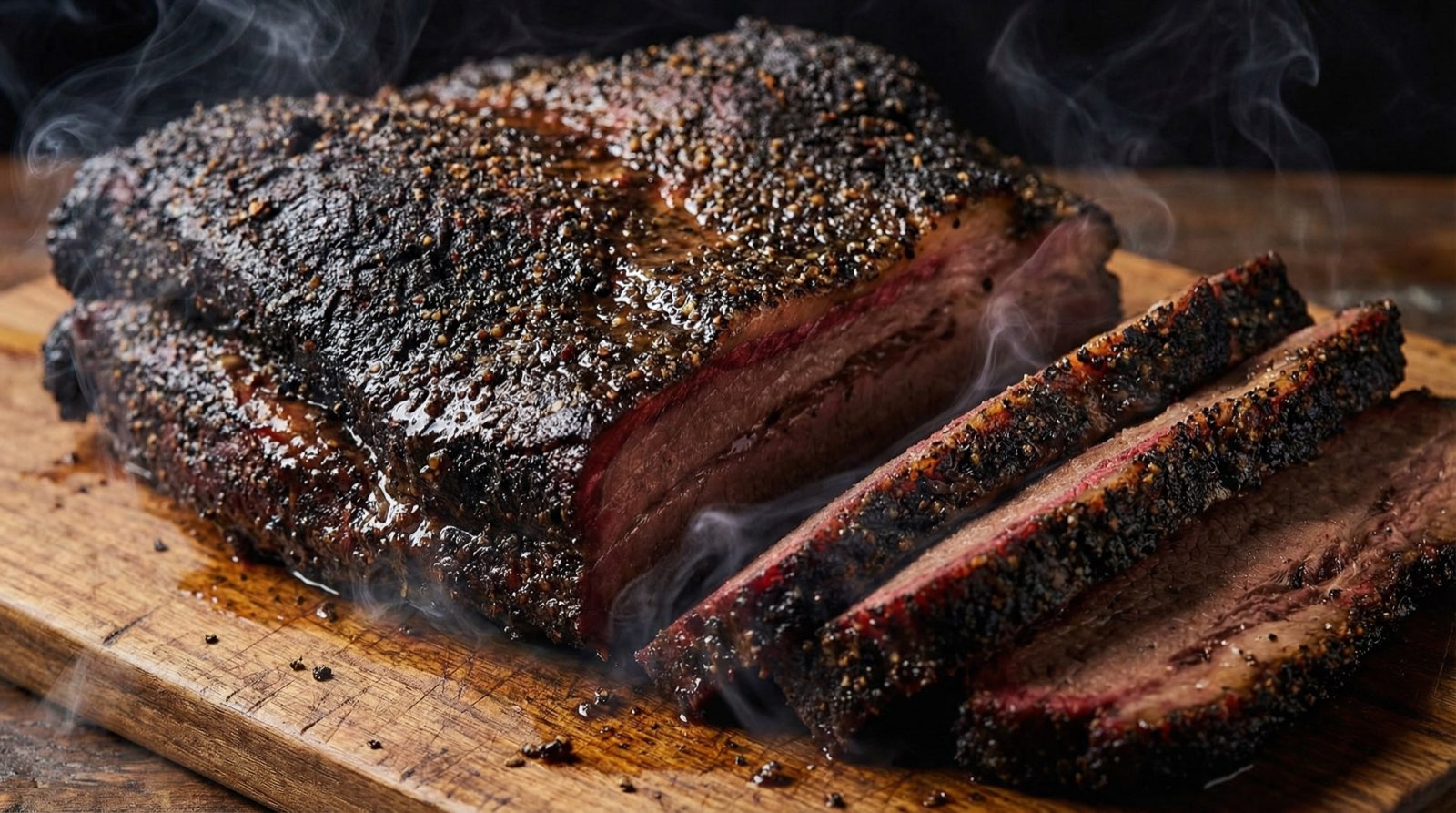
Listen, I've been competing in BBQ for twenty years, and I'll tell you straight—bark separates weekend warriors from champions. That mahogany crust on championship brisket or those lacquered ribs isn't luck. It's science, patience, and understanding exactly what's happening on that meat surface.
I've turned in hundreds of competition boxes, and I've learned that perfect bark comes down to controlling four variables: surface moisture, chemical reactions, temperature stability, and airflow. Get these right, and you'll build bark that makes judges reach for your box first. Get them wrong, and you're serving steamed meat with a soggy rub.
What Is Bark and Why Does It Matter?
Bark is the flavorful, textured crust that forms on the exterior of smoked meat during the cooking process. It's a combination of caramelized sugars, polymerized proteins (the Maillard reaction), dried spices, and smoke particles that create a complex, intensely flavored coating.
In competition BBQ, bark accounts for a huge portion of your appearance and taste scores. Judges want to see a dark, uniform crust with a slight tacky texture—not wet, not dusty, but that perfect pull that shows the meat's been kissed by smoke and time. More importantly, bark concentrates flavor. That first bite combines smoke, spice, and savory depth that makes people's eyes roll back.
Good bark should be:
- Dark mahogany to near-black (but not burnt)
- Slightly tacky to the touch, not wet or dry
- Textured with visible spice and pepper
- Adherent to the meat, not flaking off
- Flavorful enough to stand on its own
The Science Behind Bark Formation
Understanding the chemistry helps you control the process. Three major reactions create bark:
The Maillard Reaction
This is the browning reaction between amino acids and reducing sugars. It kicks in around 250°F and accelerates above 300°F. The Maillard reaction creates hundreds of flavor compounds and brown pigments that give bark its savory depth and color. This is why temperature control matters—too low and you don't get significant Maillard development, too high and you burn before the interior cooks.
Caramelization
Sugars in your rub (brown sugar, white sugar, honey powder) caramelize at temperatures above 300°F, creating sweet, nutty flavors and dark color. This is why sugar-heavy rubs can burn easily—they hit caramelization temp quickly and can cross into burnt territory if you're not careful.
Smoke Polymerization
Smoke particles adhere to the meat's surface moisture and polymerize (link together) as moisture evaporates. This creates the smoke ring and contributes to bark color and flavor. Thin blue smoke from clean-burning wood creates the best results—thick white smoke deposits bitter creosote that tastes like licking an ashtray.
Moisture Evaporation
As surface moisture evaporates, it concentrates sugars, salt, and spices, creating a dense, flavorful crust. The key is controlled evaporation—too fast and your rub burns, too slow and you get steamed meat with no bark.
The Five Pillars of Perfect Bark
1. Rub Composition and Application
Your rub is the foundation. Competition-level bark starts with a well-balanced rub that contains:
- Coarse black pepper: 16-mesh provides texture and spice
- Salt (kosher or coarse): Draws moisture and seasons deeply
- Sugar (brown or turbinado): Feeds caramelization, but too much burns
- Paprika: Adds color and mild flavor without overpowering
- Garlic and onion powder: Savory base notes
- Specialty spices: Cumin, coriander, mustard—your signature
My competition brisket rub runs 40% coarse black pepper, 30% salt, 15% turbinado sugar, 10% paprika, and 5% garlic powder. Simple, balanced, and it builds bark like armor.
Application technique: Apply rub generously but not caked on. I do a light base coat, let it sit 15 minutes to absorb moisture, then hit it with a second layer. This creates better adhesion and prevents clumping. Don't be shy—you'll lose 30% of your rub to rendering fat and evaporation during the cook.
2. Surface Preparation
Bark formation starts before the rub touches meat. Here's my prep sequence:
- Pat dry thoroughly: Use paper towels to remove all surface moisture. Wet meat steams instead of forming bark.
- Optional binder: I use yellow mustard or hot sauce as a binder—not for flavor (it cooks off), but to help rub adhere. Some pitmasters swear by olive oil; I find it can inhibit smoke adhesion.
- Room temperature: Pull meat from the fridge 1-2 hours before cooking. Cold meat takes longer to start bark formation and creates uneven cooking.
For competition brisket, I'll trim to 1/4 inch fat cap and make sure the flat is uniform thickness. Thick spots take longer to bark up and can create uneven coloring in the box.
3. Temperature Control and Smoke Management
Bark loves stability. Temperature swings mess with Maillard reactions and create uneven crusting. Here's my target ranges:
- Brisket: 250-275°F (275°F for faster bark development)
- Pork butt: 250-275°F
- Ribs: 250°F for first 2 hours, then 275°F to finish
- Pork belly burnt ends: 275°F (higher sugar content needs watching)
I run hotter than traditional low-and-slow because I'm chasing bark. At 225°F, you'll get bark eventually, but it takes longer and the window for wrapping becomes critical. At 275°F, bark forms faster and you get better Maillard development.
Smoke quality matters more than smoke quantity: Thin blue smoke from fully ignited hardwood creates clean-tasting bark. Thick white smoke from smoldering wood deposits creosote and creates bitter, acrid bark. I prefer oak and hickory for beef, apple and cherry for pork.
4. Airflow and Humidity Management
This is where most backyard cooks go wrong. Bark needs airflow to evaporate surface moisture and set the crust.
- Don't crowd the smoker: Leave 3-4 inches between pieces so smoke circulates
- Use a water pan strategically: Water pans moderate temperature but increase humidity. For heavy bark, I skip the water pan or use it minimally.
- Vent settings: Keep intake vents fully open and exhaust vents 75% open for good draw. Restricted airflow creates stale smoke and steamy conditions.
In my offset stick burner, I run a clean fire with 100% airflow. In my pellet smoker, I'll crack the lid slightly during the first two hours to reduce humidity and promote bark formation.
5. The Wrap Decision
Wrapping meat in foil or butcher paper (the Texas crutch) speeds cooking but affects bark. Here's how I handle it:
For maximum bark (competition brisket): I don't wrap until bark is fully set—usually 6-8 hours at 275°F, when internal temp hits 165-170°F. Wrapping too early steams the bark and makes it soft.
Butcher paper vs. foil: Butcher paper allows some moisture escape and preserves bark texture better than foil. Foil creates a steam environment that softens bark significantly. For competition, I use pink butcher paper or don't wrap at all if I can manage time.
For ribs: I use the 3-2-1 method modified to 2-1-1 (2 hours unwrapped, 1 hour wrapped, 1 hour unwrapped). That final hour unwrapped firms up the bark and adds a glazed appearance.
Common Bark Problems and Solutions
Problem: Soft, Wet Bark
Causes: Too much humidity, wrapped too early, spritzed too frequently, or insufficient airflow.
Solutions: Reduce water pan size, delay wrapping until bark is set, eliminate spritzing or reduce frequency to once per hour max, increase vent openings for better airflow.
Problem: Dusty, Loose Bark That Falls Off
Causes: Meat surface too dry before applying rub, insufficient binder, or over-applied rub.
Solutions: Use a light binder (mustard, hot sauce, or oil), press rub gently into meat surface, let rub sit 15 minutes before applying second coat.
Problem: Burnt Bark
Causes: Too much sugar in rub, temperature too high, or hot spots in smoker.
Solutions: Reduce sugar content to 10-15% of rub, monitor hot spots and rotate meat, wrap earlier to prevent further darkening, reduce temp to 250°F if bark is setting too fast.
Problem: Pale, Underdeveloped Bark
Causes: Temperature too low, insufficient time unwrapped, poor smoke quality, or too much moisture.
Solutions: Increase temperature to 275°F, extend unwrapped time before wrapping, ensure thin blue smoke not thick white smoke, reduce spritzing and water pan use.
Problem: Uneven Bark Development
Causes: Temperature gradients in smoker, meat too close to heat source, or uneven rub application.
Solutions: Rotate meat every 2 hours, use a heat deflector to even temperature, apply rub uniformly paying attention to edges and thick spots.
Competition Bark Techniques
Here's what separates backyard bark from competition-level crust:
The Double Rub Method
Apply a base coat of rub, let it hydrate for 15-20 minutes, then apply a second coat focusing on areas that will be visible in the turn-in box. This creates depth of color and texture that judges notice.
Strategic Spritzing
I don't spritz for the first 3 hours—let bark set hard. After that, I'll spritz lightly every 90 minutes with a 50/50 mix of apple cider vinegar and water. This adds slight tackiness and helps smoke adhesion without softening bark.
The Unwrapped Finish
For brisket and pork butt, I'll wrap to power through the stall, then unwrap for the final 1-2 hours to firm up bark and add mahogany color. I'll run temp up to 285°F during this phase for rapid Maillard reactions.
Post-Cook Glazing (Ribs and Burnt Ends)
In the final 15 minutes, I'll apply a thin glaze of sauce mixed with honey (3:1 ratio). The high heat caramelizes the sugars and creates a lacquered appearance. Key is thin application—too thick and it looks goopy.
Bark by Protein: Specific Strategies
Brisket Bark
Brisket bark is the holy grail. Salt and pepper only (SPG if you add garlic) at 50/50 ratio, coarse grind for texture. Cook at 275°F unwrapped until 170°F internal (6-8 hours), wrap in butcher paper, continue to 203°F, then rest unwrapped for 1 hour. Bark should be near-black, crusty, and have slight give when pressed.
Pork Butt Bark
Pork loves sweet heat. My rub runs 20% brown sugar, heavy paprika for color, and cayenne for a kick. Cook at 275°F unwrapped until 165°F internal, wrap in foil to power through the stall, unwrap at 195°F and cook to 203°F. That final unwrapped phase crisps up the bark beautifully.
Rib Bark
Ribs need a delicate balance. Too much bark and they look burnt; too little and they look steamed. I use a lighter rub application, cook at 250°F for 2 hours unwrapped, wrap for 1 hour, then finish unwrapped at 275°F with a glaze. The bark should have a slight sheen and visible pepper.
Chicken Bark (Yes, It's Possible)
Chicken skin crisps differently than bark, but you can build a flavorful crust. Key is removing moisture: air-dry uncovered in the fridge overnight, then apply a light oil and rub. Cook at 300°F+ for crispy skin. I'll finish over direct heat for a minute per side to get that char.
Equipment Considerations
Different smokers produce different bark. Here's what I've learned:
- Offset stick burners: Best bark potential due to direct smoke exposure and low humidity. Requires more skill to manage fire and temperature.
- Pellet smokers: Convenient but higher humidity. Crack the lid slightly for the first 2 hours or use a smoke tube for extra smoke without moisture.
- Kamado grills: Excellent heat retention and airflow control, but moisture can build up. Burp the grill to release humidity periodically.
- WSM (Weber Smokey Mountain): Great bark potential. Skip the water pan or use sand for heat stability without humidity.
- Electric smokers: Struggle with bark due to high humidity and lower temps. Use the highest temp setting and minimize water pan.
Final Competition Secrets
After twenty years on the circuit, here's what I know for sure:
- Bark is as much about patience as technique. Don't rush it.
- Every smoker has hot spots—learn yours and rotate accordingly.
- Temperature swings kill bark. Invest in a good controller or stay close to the smoker.
- Thin blue smoke beats thick white smoke every single time.
- Practice your wrap timing. Too early and you sacrifice bark for tenderness. Too late and you lose time.
- Rest is critical. A proper rest (1-2 hours for brisket) allows bark to firm up and juices to redistribute.
- Don't be afraid to experiment with rub ratios. What works in Texas might not work in Kansas City.
Perfect bark isn't magic—it's understanding the science, controlling the variables, and putting in the time. Get these fundamentals right, and your BBQ will look and taste competition-ready every time.
Frequently Asked Questions
What temperature is best for forming BBQ bark?
The ideal temperature range for bark formation is 250-275°F. At this range, the Maillard reaction produces browning and flavor development while allowing enough time for smoke adhesion. Temperatures below 225°F slow bark formation significantly, while temps above 300°F risk burning the rub before the meat is fully cooked. Many competition pitmasters prefer 275°F for faster, more aggressive bark development.
Should I wrap meat when building bark?
Wrapping should be delayed until bark is fully set, typically when internal temperature reaches 165-170°F for brisket and pork. Wrapping too early traps moisture and steams the bark, making it soft. Use pink butcher paper instead of foil when possible—it allows some moisture escape and preserves bark texture better. For maximum bark, some pitmasters don't wrap at all or unwrap for the final 1-2 hours of cooking.
Why is my BBQ bark soft and wet instead of crusty?
Soft bark results from excess moisture. Common causes include wrapping too early, using a large water pan, spritzing too frequently, or insufficient airflow in the smoker. Solutions: delay wrapping until bark sets firm, reduce or eliminate the water pan, limit spritzing to once per hour maximum, and ensure smoker vents are properly opened for good air circulation. Unwrapping for the final hour also helps firm up bark.
How much sugar should I use in my BBQ rub for bark?
Sugar content should be 10-20% of total rub weight for balanced bark. Sugar feeds caramelization and adds color, but too much (over 25%) burns easily and creates bitter, charred crust. For brisket, many pitmasters use minimal or no sugar, relying on pepper and salt. For pork, 15-20% brown sugar works well. Start conservative and increase gradually based on your cooker's temperature characteristics.
What causes BBQ bark to fall off the meat?
Bark falls off when it doesn't properly adhere to the meat surface. This happens when: the meat surface is too dry before rub application, no binder was used, rub was applied too thick and clumped, or the bark was burned. Solutions include using a light binder like mustard or hot sauce, pressing rub gently into the meat, applying in two thin layers rather than one thick layer, and ensuring proper temperature control to prevent burning.
Does spritzing meat help or hurt bark formation?
Spritzing can help or hurt depending on timing and frequency. Spritzing during the first 3 hours prevents bark from setting and keeps the surface too wet. After bark is initially set (3+ hours), light spritzing every 90 minutes with apple cider vinegar or water can add slight tackiness that helps additional smoke adhesion without softening bark. Competition pitmasters often skip spritzing entirely or use it very sparingly. Excessive spritzing always results in softer, less developed bark.
What is the Maillard reaction and why does it matter for bark?
The Maillard reaction is the chemical browning process between amino acids (from meat protein) and reducing sugars that occurs above 250°F. It creates hundreds of flavor compounds and brown pigments that give bark its savory depth, complex taste, and dark color. This is different from caramelization (which only involves sugars). Maintaining steady temperatures in the 250-275°F range optimizes Maillard reactions without burning. It's the primary reason bark tastes dramatically better than raw rub.
More Charcuterie Guides
What Is Pink Curing Salt? Sodium Nitrite Explained for Home Charcuterie
Pink curing salt is the most essential — and most misunderstood — ingredient in meat curing. This guide explains what it is, why it's pink, how sodium nitrite prevents botulism, proper usage rates, and whether you can cure meat without it.
10 min readHow Long Does Charcuterie Last? Storage Guide for Cured Meats & Cheese
Understanding proper charcuterie storage ensures you enjoy it at peak quality while avoiding food safety risks.
10 min read