The BBQ Stall Explained: Why Your Brisket Stopped Cooking
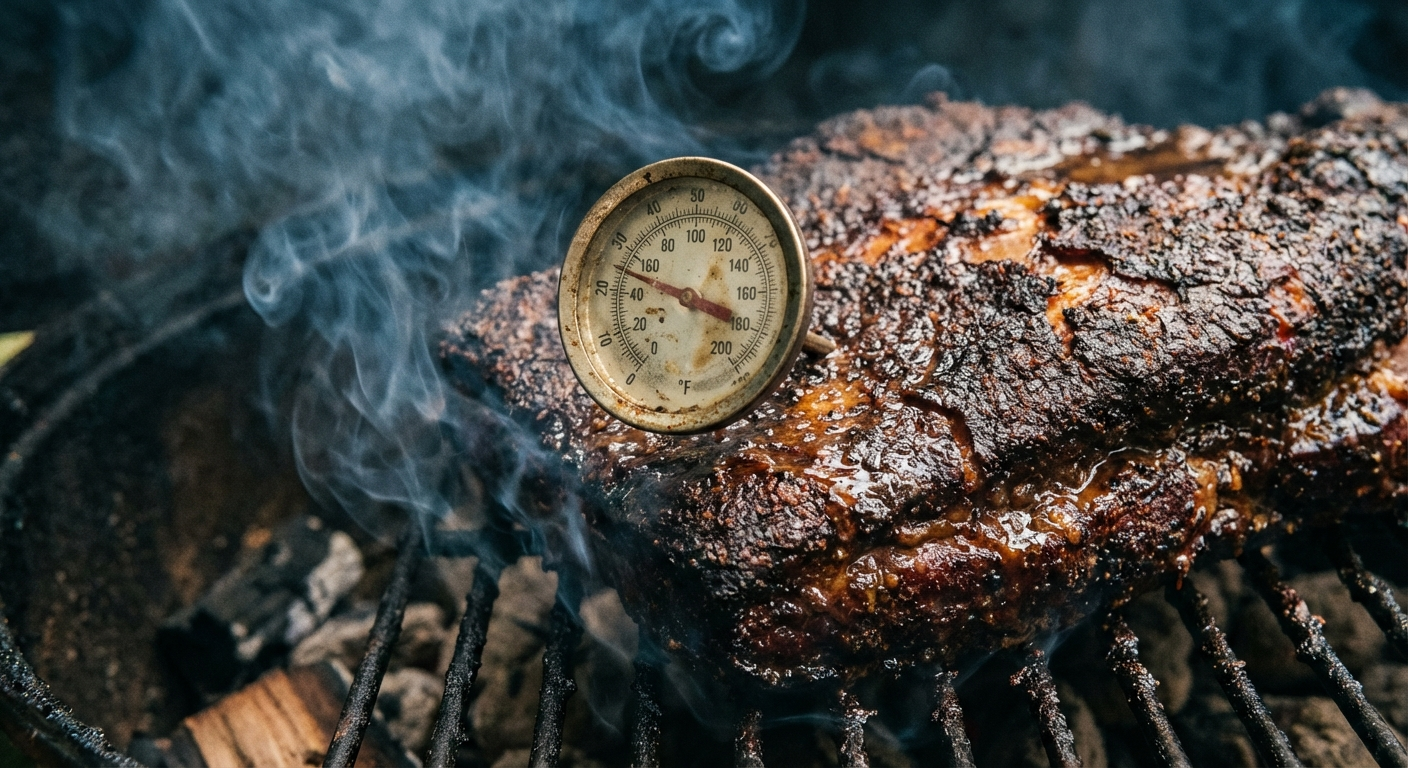
It happens to every rookie pitmaster. You're smoking a pork butt or a brisket. The temperature is climbing steadily: 130°, 140°, 150°... and then, around 160°F, it stops. Dead.
You check the fire. It's fine. You check your thermometer. It's working. An hour passes. The meat is still 160°. Two hours pass. Still 160°. You start to panic. Did I break physics? Is the meat broken?
Welcome to The Stall.
What Is The Stall?
For years, old-school pitmasters had theories. "The fat is melting and cooling the meat." "The collagen is breaking down." They were all wrong.
The science is simple: Evaporative Cooling.
Think about when you get out of a pool on a windy day. You feel cold, right? That's water evaporating off your skin, taking heat energy with it. Your brisket is doing the same thing. Around 160°F, the meat starts pushing out moisture ("sweating") faster than the smoker can add heat energy.
The meat is literally sweating to cool itself down. Until that surface moisture evaporates enough for the surface to dry out, the internal temperature will plateau. This equilibrium can last 2, 4, even 6 hours.
How to Beat The Stall
You have three options. Choose wisely.
Option 1: The Texas Crutch (Wrap in Foil)
The Method: When the meat hits the stall (160°F), wrap it tightly in heavy-duty aluminum foil. Add a splash of liquid (apple juice, beer, beef broth) before sealing.
The Science: Foil stops evaporation. If moisture can't evaporate, it can't cool the meat. The temperature will rocket up, and you'll power through the stall in an hour.
The Result: Faster cook time, very tender meat. BUT... the bark (crust) will get soft and mushy because it's steaming.
Option 2: Butcher Paper (The Aaron Franklin Method)
The Method: Wrap the meat in unlined pink butcher paper.
The Science: Paper is breathable. It traps some heat to speed things up, but lets enough moisture escape so you don't steam the bark into mush.
The Result: The best compromise. Faster than naked, better bark than foil.
Option 3: Wait It Out (Naked)
The Method: Do nothing. Keep the fire steady. Wait.
The Science: Eventually, the meat runs out of surface moisture. The stall breaks, and the temp climbs again.
The Result: The best possible bark. Crunchy, dark, intense. But dinner might be at midnight instead of 6 PM.
Hank's Advice
If you are cooking brisket, use butcher paper. It protects the meat but saves the bark. If you are cooking pulled pork, use foil — nobody cares about crispy bark on pork butt once it's shredded and sauced, and you'll save 3 hours of cook time.
Whatever you do, do not turn up the heat to force it. High heat burns the sugar in your rub and dries out the outer layers. Trust the process. The stall is natural. Patience is the whole game — whether you're smoking a wagyu brisket or a Choice packer, the stall treats everyone the same.
Frequently Asked Questions
At what temperature does the stall start?
Typically between 150°F and 170°F. It depends on the airflow, humidity, and the specific piece of meat.
How long does the stall last?
It can last anywhere from 2 to 6 hours. It lasts until the surface moisture of the meat has evaporated enough to allow the temperature to rise again.
Does higher humidity help?
Actually, high humidity in the smoker (using a water pan) makes the stall last LONGER, because evaporation happens slower in humid air. But it also keeps the meat moister. It is a trade-off.
More Charcuterie Guides
What Is Pink Curing Salt? Sodium Nitrite Explained for Home Charcuterie
Pink curing salt is the most essential — and most misunderstood — ingredient in meat curing. This guide explains what it is, why it's pink, how sodium nitrite prevents botulism, proper usage rates, and whether you can cure meat without it.
10 min readHow Long Does Charcuterie Last? Storage Guide for Cured Meats & Cheese
Understanding proper charcuterie storage ensures you enjoy it at peak quality while avoiding food safety risks.
10 min read