The Science of the Smoke Ring
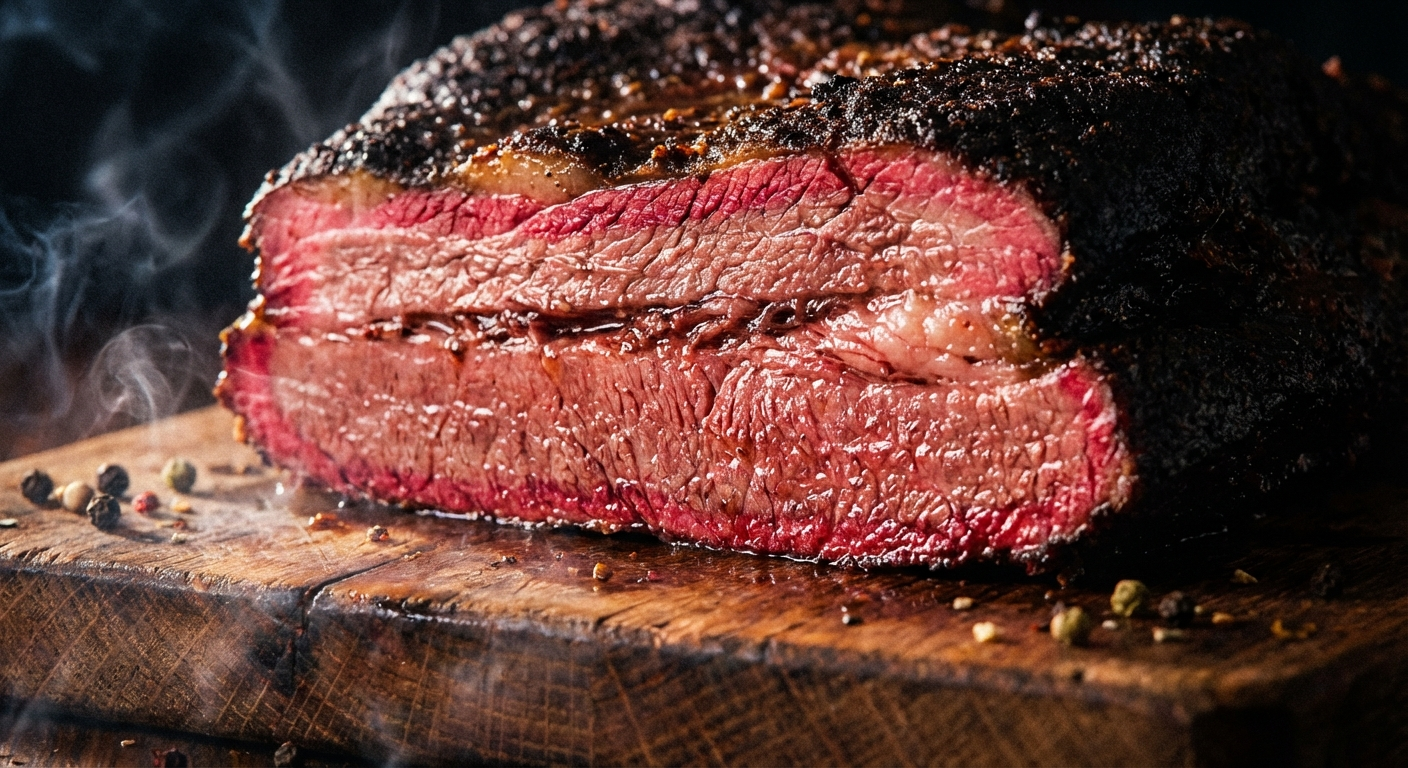
Slice into a well-smoked brisket and the first thing you see is that pink band just under the bark — the smoke ring. It's the trophy shot. The money shot. Every BBQ Instagram account on earth is chasing that thick, vivid ring. People judge entire cooks based on it.
And here's the thing: the smoke ring has almost nothing to do with how good the BBQ tastes.
I know, I know. But stick with me. Understanding what the smoke ring actually is — and isn't — will make you a better cook, because you'll stop chasing appearance and start focusing on what actually matters.
What Creates the Smoke Ring
The smoke ring is a chemical reaction between gases in your smoke and a protein in the meat. Here's the actual science:
The Key Players
- Myoglobin: A protein in muscle tissue that stores oxygen. It's what makes raw meat red (not blood — that's a common myth). In its natural state, myoglobin is purplish-red.
- Nitrogen dioxide (NO₂): A gas produced during wood combustion. When wood burns, nitrogen in the air reacts with oxygen at high temperatures to form NO₂.
- Carbon monoxide (CO): Also present in wood smoke. Contributes to the same reaction but to a lesser degree.
The Reaction
When NO₂ from the smoke contacts the moist surface of the meat, it dissolves into the surface moisture and forms nitric acid. The nitrogen component penetrates into the meat and binds with the myoglobin, forming a stable compound called nitrosomyoglobin. This compound is pink — permanently pink. Heat can't break it down the way it breaks down regular myoglobin (which turns brown/gray when cooked).
The smoke ring is literally the depth to which nitrogen dioxide has penetrated the meat surface and locked the myoglobin into its pink state. That's it. It's a chemical reaction, not a flavor indicator.
What Affects Smoke Ring Depth
Things That Help
- Surface moisture: NO₂ needs moisture to dissolve and penetrate the meat. A moist surface early in the cook produces a better ring. This is one reason some pitmasters spritz.
- Burning wood (not pellets or electric): Real wood combustion produces more NO₂ than pellet grills or electric smokers. Stick burners and charcoal/wood chunk setups produce the strongest rings.
- Low-and-slow cooking: Slower temperature rise means the surface stays below 140°F longer, giving the NO₂ more time to penetrate before the myoglobin denatures (sets).
- Cold meat on the smoker: Starting with a cold brisket straight from the fridge gives you a longer window before the surface myoglobin sets.
- Higher humidity in the cook chamber: More moisture means more NO₂ dissolution.
Things That Don't Matter (Despite What People Think)
- Amount of smoke visible: Thin blue smoke produces NO₂ just as well as thick white smoke. More visible smoke does not mean more smoke ring.
- Cook time after the myoglobin sets: Once the surface reaches about 170°F, the myoglobin is denatured and no further smoke ring can form — no matter how many more hours you cook. The ring is set in the first few hours.
- Wrapping: Wrapping in butcher paper or foil doesn't affect the smoke ring because by the time you wrap (usually around 165°F internal), the ring has already formed.
Can You Fake a Smoke Ring?
Yes, easily. And this is why the smoke ring doesn't indicate quality.
Curing salt (sodium nitrite, also known as Prague powder #1) contains the same nitrogen compounds that create the smoke ring. If you rub a tiny amount of curing salt on the surface of a brisket before cooking it in a regular oven — no smoke at all — you'll get a beautiful pink smoke ring. Commercial BBQ operations have been known to do this.
This is exactly why KCBS (Kansas City Barbeque Society) and most competition organizations removed smoke ring from their judging criteria years ago. A smoke ring tells judges nothing about whether the cook was skilled or the BBQ is good.
Why Pellet Grills Produce Weaker Rings
I hear this from pellet grill owners all the time: "I can't get a good smoke ring." There's a scientific reason for this.
Pellet grills burn small compressed wood pellets in a burn pot, and the combustion is highly controlled by an electric fan. This efficient combustion actually produces less NO₂ than the less-efficient combustion in a stick burner or charcoal smoker. Less NO₂ means less nitrogen to penetrate the meat surface, which means a thinner (or absent) smoke ring.
The BBQ from a pellet grill can still taste fantastic — the smoke ring just won't be as impressive. Remember: the ring is cosmetic, not flavor.
What Actually Indicates Good BBQ
If the smoke ring doesn't tell you whether BBQ is good, what does?
- Bark quality: A deep, dark, flavorful bark that's developed over hours of smoke and heat is a much better indicator of skilled cooking than a pink ring.
- Moisture: When you slice brisket, does juice pool on the cutting board? That tells you the cook was managed well and the rest was adequate.
- Tenderness: Does the meat pull apart easily but still hold together? That's proper collagen conversion.
- Clean smoke flavor: Does it taste pleasantly smoky, or acrid and bitter? Clean smoke flavor means the pitmaster maintained good fire management throughout the cook.
I've eaten brisket with a spectacular smoke ring that tasted terrible — bitter, dry, oversalted. I've eaten brisket from a pellet grill with almost no ring that was incredibly juicy, tender, and flavorful. The ring means nothing about quality.
But I'll admit — when I slice into one of my briskets and see that deep pink band — especially on a premium wagyu brisket — it still makes me smile. Old habits die hard.
Frequently Asked Questions
What causes the smoke ring in BBQ?
The smoke ring is caused by nitrogen dioxide (NO₂) from wood combustion dissolving into the moist meat surface and binding with myoglobin (the protein that makes meat pink). This creates nitrosomyoglobin, a stable pink compound that doesn't turn gray when cooked. It's a chemical reaction, not a flavor indicator.
Does a bigger smoke ring mean better BBQ?
No. The smoke ring is purely cosmetic — it indicates gas penetration into the meat surface, not smoke flavor or cooking skill. You can fake a smoke ring with curing salt in a regular oven. Most competition organizations no longer judge smoke ring for this reason.
Why can't I get a smoke ring on my pellet grill?
Pellet grills have highly efficient, fan-controlled combustion that produces less nitrogen dioxide (NO₂) than stick burners or charcoal smokers. Less NO₂ means less nitrogen to penetrate the meat and create the pink ring. Your food can still taste great — the ring is just cosmetic.
How do you get a better smoke ring?
Start with cold meat straight from the fridge, keep the surface moist early in the cook, burn real wood (not just pellets), and cook low-and-slow so the surface stays below 170°F as long as possible. The ring forms in the first few hours before the surface myoglobin denatures.
More Charcuterie Guides
What Is Pink Curing Salt? Sodium Nitrite Explained for Home Charcuterie
Pink curing salt is the most essential — and most misunderstood — ingredient in meat curing. This guide explains what it is, why it's pink, how sodium nitrite prevents botulism, proper usage rates, and whether you can cure meat without it.
10 min readHow Long Does Charcuterie Last? Storage Guide for Cured Meats & Cheese
Understanding proper charcuterie storage ensures you enjoy it at peak quality while avoiding food safety risks.
10 min read