How to Make Lardo at Home: The Complete Italian Cured Fatback Guide
How to Make Lardo at Home: The Complete Italian Cured Fatback Guide
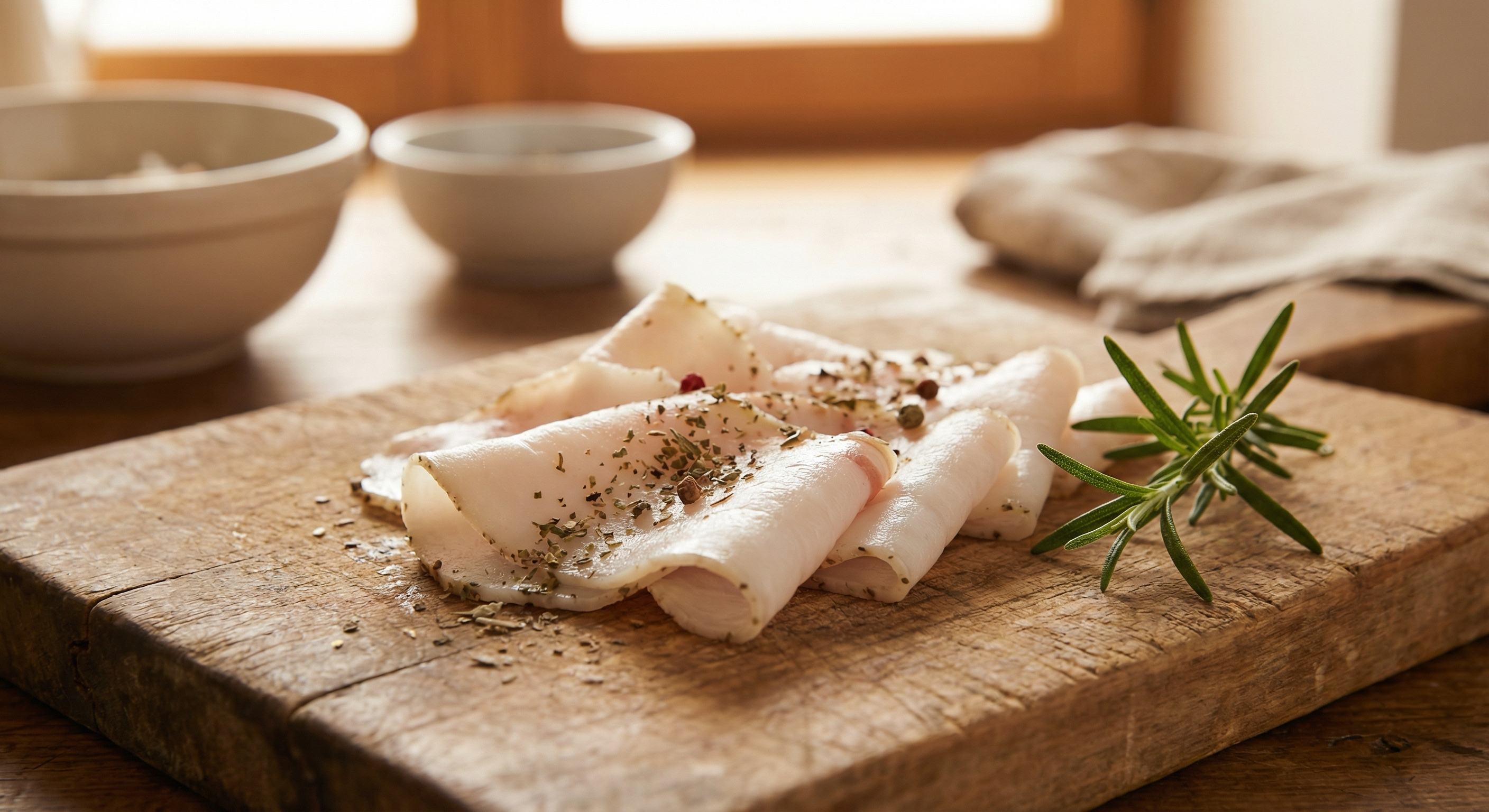
There's a moment in every charcuterie enthusiast's journey when they discover lardo — and nothing is quite the same afterward. This isn't rendered lard for frying. This isn't the white trim you cut off a pork chop. Lardo is cured pork fatback, aged with herbs and spices until it transforms into something that melts on your tongue like the most exquisite butter you've ever tasted, leaving behind whispers of rosemary, garlic, and black pepper.
In Italy's Colonnata region — a tiny marble-quarrying village in the Apuan Alps of Tuscany — lardo has been made in marble basins for over a thousand years. The quarry workers who carved the stone for Michelangelo's David sustained themselves on this very food. Today, Lardo di Colonnata holds IGP (Indicazione Geografica Protetta) status, placing it among Italy's most protected culinary treasures alongside Parmigiano-Reggiano and Prosciutto di Parma.
The extraordinary news for home curers is that lardo is one of the simplest charcuterie projects you can undertake. There's no grinding, no stuffing, no fermentation to manage. If you've already tackled pancetta or bresaola, lardo will feel almost effortless. The challenge is purely one of patience — good lardo needs at least six months to develop its full character.
What Is Lardo? Understanding Italy's Noblest Cured Fat
Lardo (LAR-doh) is whole pork fatback — the thick slab of subcutaneous fat from the pig's back — cured in salt with herbs and spices, then aged until the texture becomes silky-smooth and the flavors meld into something transcendent. Unlike rendered lard (strutto in Italian), lardo is never cooked. It's eaten raw, typically sliced paper-thin and served at room temperature so the fat softens to a near-liquid state on your palate.
The flavor profile of properly aged lardo is remarkably complex for what is, fundamentally, cured fat. You'll taste sweetness first — pork fat is naturally sweet — followed by the aromatics of whatever herbs were used in the cure. The salt recedes into the background, acting as a frame rather than the focal point. There's often a subtle floral quality, especially in versions cured with rosemary, and a gentle warmth from black pepper or nutmeg.
Two regional styles dominate:
- Lardo di Colonnata: Cured in hand-carved Carrara marble basins (conche) with rosemary, garlic, cinnamon, cloves, coriander, sage, and oregano. The marble is critical — it's slightly porous, stays naturally cool, and develops a microbial ecosystem over decades of use that contributes to the lardo's unique character. Aged minimum 6 months.
- Lardo d'Arnad: From the Aosta Valley in northwest Italy, this version uses wooden containers (doils) made from chestnut, oak, or larch. The spice profile leans toward juniper berries and bay leaf, with less garlic. Also aged minimum 6 months and holds DOP (Denominazione di Origine Protetta) status.
At home, you won't have a centuries-old marble basin — but you can absolutely produce lardo that rivals what you'd find in any Italian salumeria. The key ingredients are quality fatback, good salt, fresh herbs, and six months of patience.
Sourcing the Right Fatback
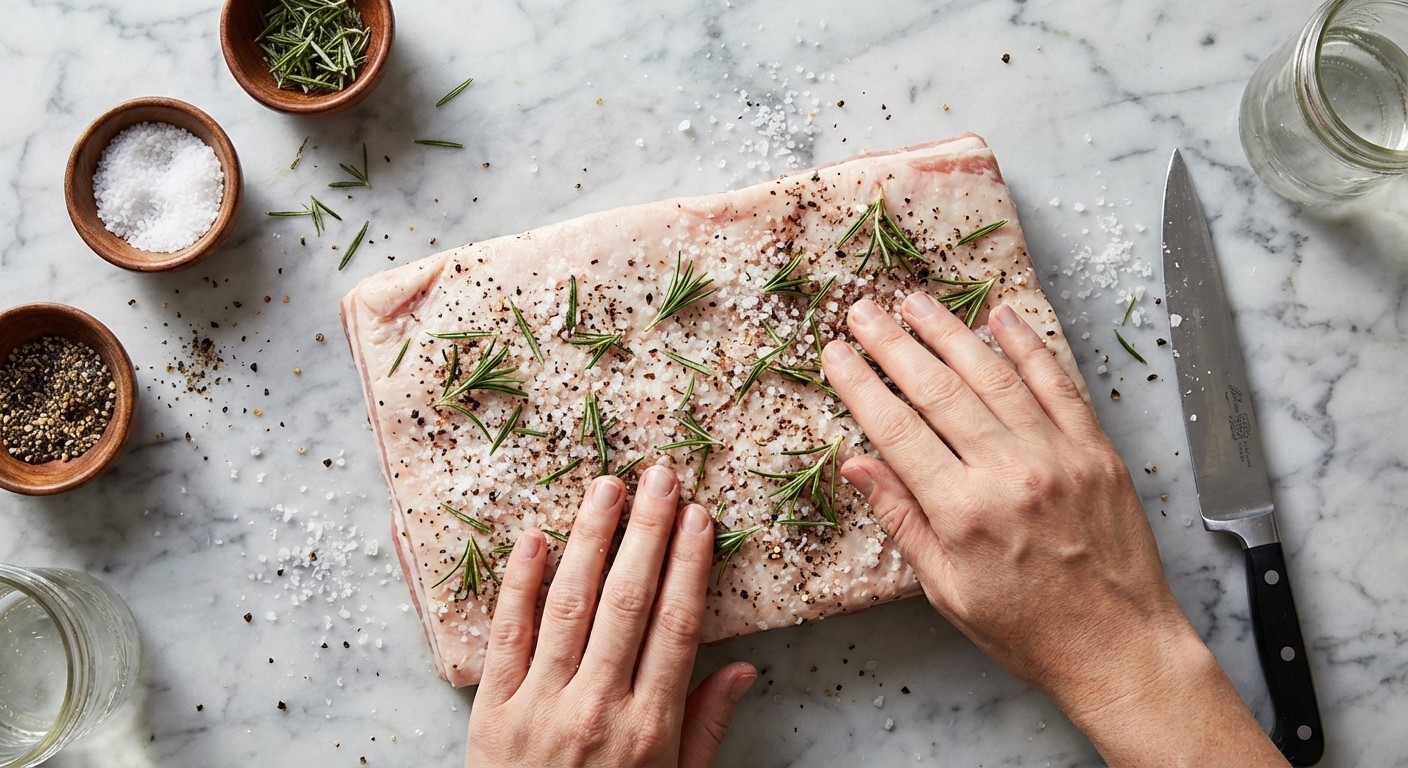
The single most important factor in your lardo's quality is the fatback itself. Not all pork fat is created equal, and the differences are dramatic.
What to Look For
- Thickness: You want fatback that's at least 1.5 inches (4 cm) thick, ideally 2-3 inches. Thicker slabs cure more evenly and produce better texture. Thin fatback (under 1 inch) will over-cure and become unpleasantly salty.
- Location on the animal: Back fat from the loin area (between the shoulders and the hips, along the spine) is ideal. This is the thickest, firmest, cleanest-tasting fat on the pig. Belly fat is too soft and has too much lean meat running through it. Jowl fat works but produces a different product (closer to guanciale).
- Skin-on vs. skin-off: Traditional lardo is made with the skin (rind) still attached. The skin acts as a natural barrier during curing, prevents the fat from drying out too quickly, and adds structural support. If your fatback comes skinless, it will still work — just be more careful about drying conditions.
- Freshness: Use fatback within 2-3 days of slaughter if possible. Fresh fat has better texture and takes the cure more evenly than frozen-thawed fat. If using frozen, thaw slowly in the refrigerator and pat extremely dry before curing.
- Color and smell: Fresh fatback should be pure white to very pale cream. It should smell clean and mildly sweet — never rancid, sour, or "off." Yellow-tinged fat indicates oxidation or an older animal and won't produce the best lardo.
Heritage Breeds Make All the Difference
If there's one charcuterie product where breed matters most, it's lardo. When the entire product is fat, the quality of that fat is everything. Heritage breed pigs — raised on diverse diets, given room to move, and allowed to mature slowly — produce fatback with vastly superior flavor and texture compared to commodity pork.
- Mangalitsa (Mangalica): The gold standard for lardo. This Hungarian "woolly pig" produces extraordinarily thick, creamy fatback with a flavor that's nutty and almost sweet. If you can find Mangalitsa fatback, buy it without hesitation.
- Large Black: An English breed with excellent fat quality — thick, white, and clean-tasting. Increasingly available from small farms.
- Berkshire (Kurobuta): Well-marbled with a sweet, rich fat that cures beautifully. Widely available from heritage pork producers.
- Ibérico: The same breed behind Spain's legendary jamón. Ibérico fatback is extraordinary but very difficult to find in the United States.
- Duroc: Not technically heritage but produces well-flavored fat, especially when pasture-raised. More accessible than the breeds above.
Where to source quality fatback: Ask your local butcher (they often have fatback available but don't display it), check farmers' markets for heritage pork producers, or order online from specialty suppliers like The Meatery.
The Cure: Ingredients and Herb Blends
Lardo's cure is beautifully simple — salt, herbs, spices, and time. Unlike many cured meats, lardo does not require curing salt #1 or #2 (Prague Powder). The fatback's extremely low moisture content and near-total absence of lean meat mean that botulism risk is negligible. Salt alone provides adequate preservation. That said, some recipes include a small amount of curing salt for additional safety — I'll note it as optional below.
Base Cure Formula (Per 5 lbs / 2.3 kg of Fatback)
- Coarse sea salt: 250g (about 1 cup) — use non-iodized sea salt or kosher salt
- Freshly ground black pepper: 20g (about 4 tablespoons)
- Fresh rosemary, chopped: 3 tablespoons
- Fresh garlic, minced: 6-8 cloves
- Fresh sage leaves, torn: 8-10 leaves
- Bay leaves, crumbled: 4-5 leaves
- Juniper berries, lightly crushed: 1 tablespoon
- Whole black peppercorns: 1 tablespoon
- Nutmeg, freshly grated: 1/2 teaspoon
- Cinnamon stick, broken: 1 small stick (optional — Colonnata style)
- Whole cloves: 3-4 (optional — Colonnata style)
- Curing salt #2: 3g (optional — for additional safety)
Colonnata-Style Herb Blend
This is the classic Tuscan profile: rosemary-forward with warm spices. Mix the salt with rosemary, garlic, sage, black pepper, cinnamon, cloves, nutmeg, and a pinch of coriander. The cinnamon and cloves should be subtle — you want hints, not a Christmas cookie.
Arnad-Style Herb Blend
The northern alpine style emphasizes juniper and bay. Use the base salt with juniper berries (doubled to 2 tablespoons), bay leaves (doubled), black pepper, garlic (reduced to 3-4 cloves), and omit the cinnamon and cloves. Add a sprig of fresh thyme. This produces a more austere, piney lardo that pairs exceptionally well with rye bread and mountain cheeses.
A Note on Salt
Use coarse salt, not fine. Coarse salt dissolves more slowly, creating a gentler, more even cure. Fine salt can over-penetrate the surface and create a salty outer layer with an under-cured center. Sea salt is traditional and preferred — its mineral content contributes subtle flavor complexity. Diamond Crystal kosher salt works well if sea salt isn't available. Avoid iodized table salt, which can impart off-flavors during long curing.
Step-by-Step Curing Process
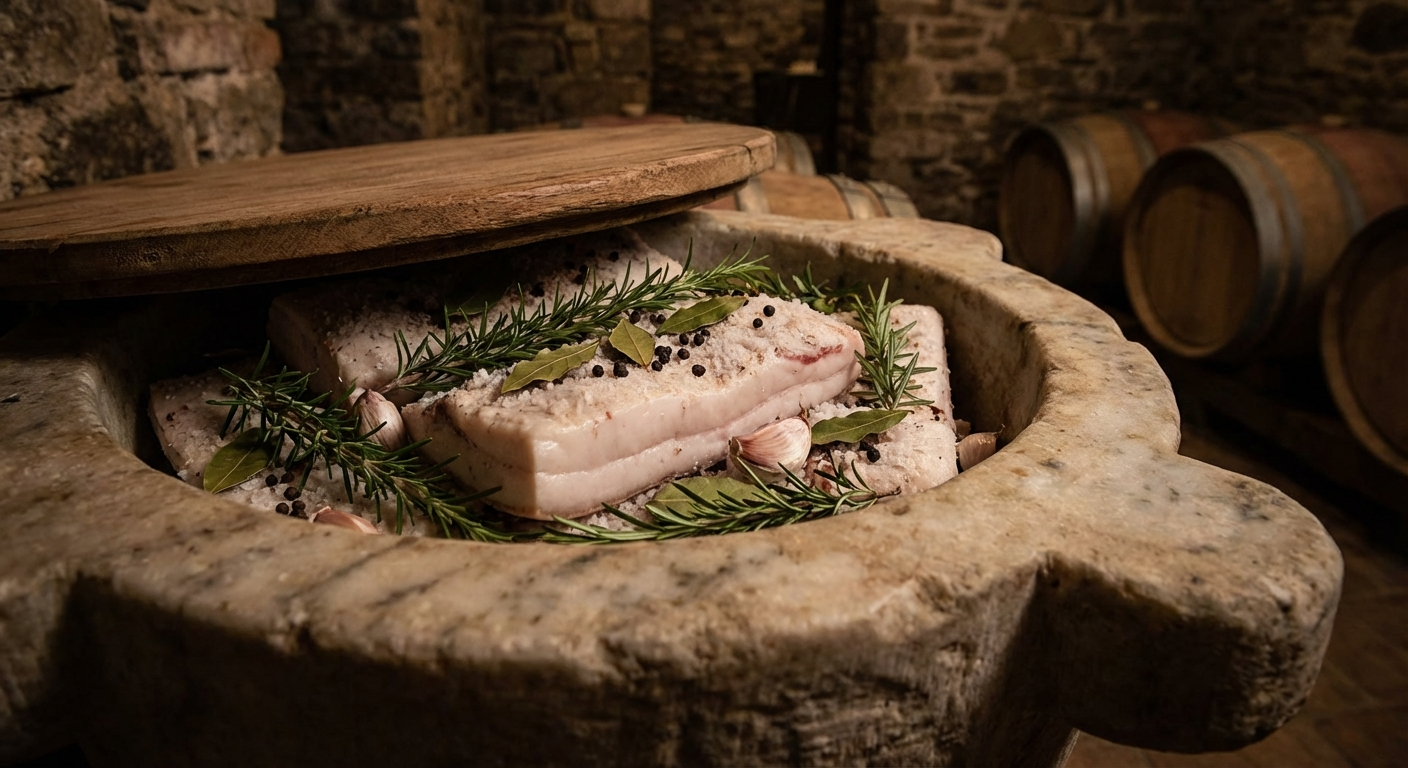
The process is straightforward, but each step matters. Take your time with preparation — the next six months are hands-off.
Step 1: Prepare the Fatback
Trim the fatback into manageable pieces — roughly 6-8 inches long and 4-5 inches wide. If the skin is attached, score it in a crosshatch pattern (cuts about 1/4 inch deep) to help the cure penetrate. Remove any bloodstains, bruises, or discolored patches. Pat the fatback completely dry with paper towels.
Step 2: Apply the Cure
Mix all cure ingredients together thoroughly. Take a generous handful and rub it firmly into every surface of the fatback — top, bottom, sides. Really press the herbs and salt into the meat. The fat should be completely coated with a visible layer of cure on all surfaces.
Step 3: Pack the Container
You need a non-reactive container — glass, ceramic, food-grade plastic, or (if you're serious) marble. A glass casserole dish, ceramic crock, or food-grade plastic container all work well.
- Spread a 1/2-inch layer of cure mixture on the bottom of the container.
- Place the first piece of fatback skin-side down on the salt bed.
- Cover completely with more cure mixture — be generous.
- If stacking multiple pieces, add another layer of cure between each slab. Every surface must be in contact with the salt-herb mixture.
- Top the final piece with a thick layer of remaining cure.
- Press down firmly. If you have a plate or flat object that fits inside the container, place it on top and weight it with something heavy (a jar filled with water, a brick wrapped in plastic).
Step 4: The Initial Cure (7-14 Days)
Cover the container tightly with plastic wrap or a lid and refrigerate. The cure needs to work at refrigerator temperature (36-40°F / 2-4°C) for at least 7 days and up to 14 days. During this phase, the salt draws moisture from the fat through osmosis while the herbs and spices infuse their flavors.
Every 2-3 days, flip the fatback pieces and redistribute the cure. You'll notice liquid accumulating — this is normal. The brine that forms is actually beneficial; it's essentially a concentrated herb-salt solution that continues the curing process.
Step 5: Rinse and Repack
After the initial cure (minimum 7 days for thinner pieces, 14 for very thick slabs), remove the fatback and rinse off the old cure under cold running water. Pat dry. Prepare a fresh batch of cure (half the original quantity is sufficient) and repack the fatback exactly as before. This second application ensures even curing throughout the entire thickness and refreshes the herb aromatics.
Step 6: The Long Cure (6+ Months)
Return the repacked lardo to the refrigerator. Now the waiting begins. The lardo needs a minimum of 6 months total curing time (counting from the initial salting). Many producers age it 8-12 months or longer.
During this time, flip the pieces monthly and check that the salt-herb coating remains intact. If any areas look dry or exposed, add a small amount of fresh cure. The fat will firm up gradually, the herbs will meld with the fat, and the flavor will deepen enormously.
Temperature matters: Traditional Colonnata lardo ages at cool cave temperatures (50-57°F / 10-14°C). Your refrigerator at 36-40°F works perfectly and is actually safer for home production. If you have a dedicated curing chamber or wine fridge, setting it to 50-55°F with moderate humidity (65-75%) will produce results closer to the Italian original.
Step 7: Testing for Doneness
After 6 months, slice a thin piece from one end and taste it. Properly cured lardo should be:
- Texture: Smooth and silky, not grainy or crumbly. It should soften almost immediately when placed on your tongue or on warm bread.
- Flavor: Sweet, herbal, gently salty. The individual herbs should be perceptible but harmonized. No sharp or bitter notes.
- Appearance: Translucent white to very pale pink (some slight color variation is normal, especially near the skin). When sliced thin, you should almost be able to see through it.
- Aroma: Clean, herbal, slightly sweet. Any rancid or sour smell indicates a problem — discard and troubleshoot.
If the lardo tastes too salty, give it another month — the salt continues to equalize throughout the fat over time. If the herb flavor is mild, it simply needs more aging. Patience rewards the lardo maker generously.
Troubleshooting Common Issues
Lardo is forgiving, but problems can occur. Here's what to watch for:
- Yellow or orange discoloration: Oxidation. This usually happens on exposed surfaces not in contact with the cure. Trim the affected area — the interior is likely fine. Prevention: ensure all surfaces are coated with cure and minimize air exposure.
- Rancid smell: Fat oxidation has gone too far. If it's only surface-level, trim generously and taste the interior. If the rancid flavor has penetrated, discard. Prevention: keep the container sealed, minimize temperature fluctuations, and use the freshest fatback possible.
- Excessive liquid: Normal during the first week. If liquid continues accumulating after 2 weeks, drain it off. Too much brine can make the surface slimy.
- Mold: Small amounts of white mold on the surface are harmless and common in traditional curing. Wipe with a vinegar-dampened cloth. Green, black, or fuzzy mold should be trimmed away with a generous margin. Pink mold — discard everything.
- Too salty: Soak slices in cold water for 10-15 minutes before serving, or serve on warm bread which balances the salt. For future batches, reduce salt by 10-15%.
How to Serve Lardo
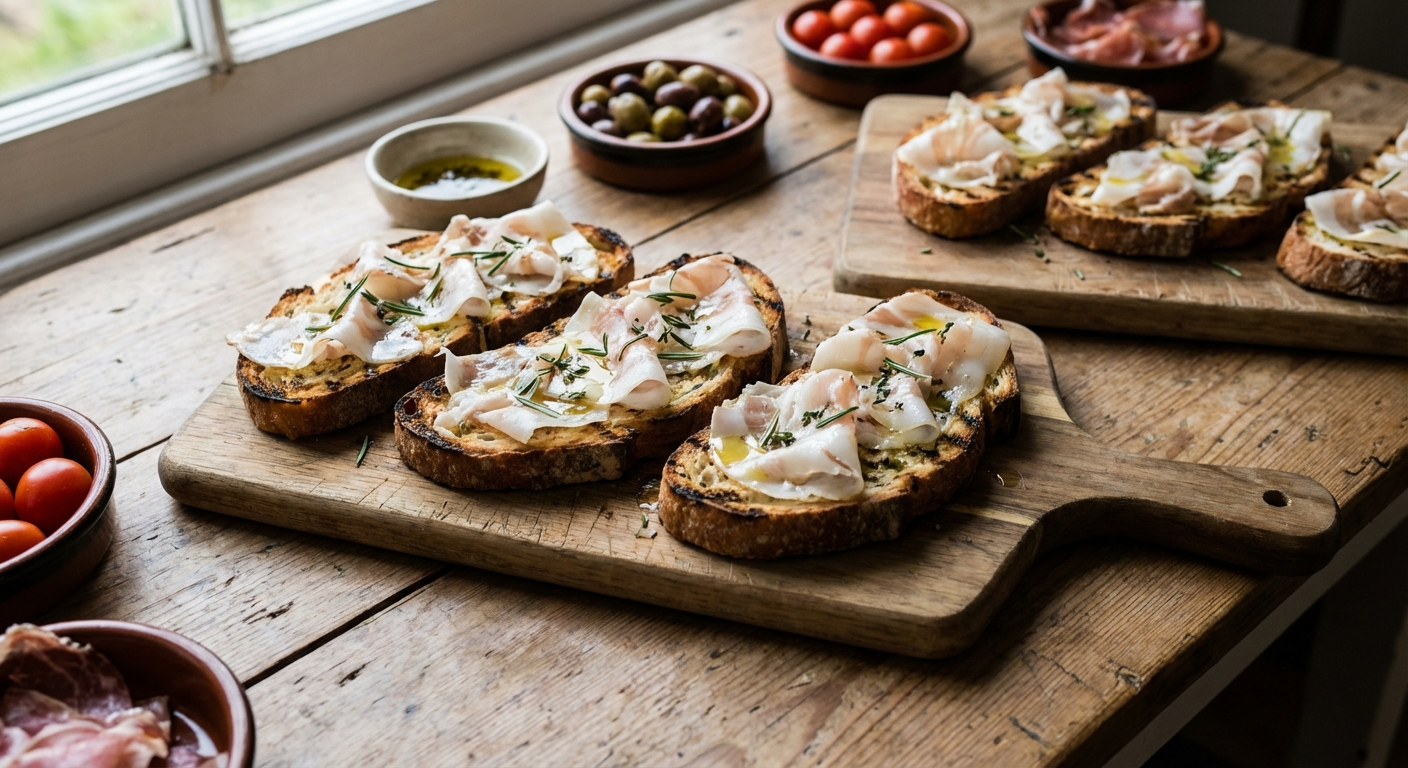
Serving lardo is almost as important as making it. Temperature and thickness are everything.
The Golden Rules
- Slice paper-thin. This is non-negotiable. Lardo should be sliced as thin as humanly possible — translucent, almost see-through. A sharp knife works, but a deli slicer produces the best results. If using a knife, put the lardo in the freezer for 20-30 minutes first to firm it up for cleaner cuts.
- Serve at room temperature. Take sliced lardo out of the refrigerator 10-15 minutes before serving. The fat needs to soften so it literally melts on your tongue. Cold lardo is waxy and unpleasant.
- Keep it simple. Lardo is a star, not a supporting player. Don't bury it under competing flavors.
Classic Serving Ideas
- Lardo on warm bread (the classic): Drape thin slices over warm, crusty bread — freshly toasted or straight from the oven. The heat softens the fat until it's nearly liquid. A drizzle of good honey and a crack of black pepper makes this transcendent.
- Lardo bruschetta: Toast thick slices of sourdough, rub with a cut garlic clove, lay lardo slices on top. The residual heat melts the fat. Finish with a few drops of aged balsamic or a micro-drizzle of chestnut honey.
- Wrapped around grissini: Wrap thin lardo slices around Italian breadsticks. The contrast between the crispy bread and silky fat is addictive.
- On a charcuterie board: Lardo deserves a prominent spot on any charcuterie board. Place slices overlapping on a cool (not cold) section of the board alongside aged cheeses and crusty bread.
- Cooking applications: Lay thin slices over lean meats before roasting (wrapping pork tenderloin or chicken breast in lardo is extraordinary). Use it to baste steaks. Melt it over pizza fresh from the oven. Wrap around shrimp before grilling.
- With warm vegetables: Drape lardo over roasted potatoes, steamed asparagus, or grilled peaches. The heat of the vegetable melts the fat into a rich, herby sauce.
Storage and Shelf Life
Properly cured lardo is remarkably shelf-stable, though home producers should err on the side of caution:
- In the cure: Lardo can remain in its salt-herb bed in the refrigerator for up to 2 years. The flavor continues developing slowly.
- Removed from cure, refrigerated: Wrap tightly in plastic wrap, then in butcher paper. Keeps 2-3 months in the refrigerator.
- Vacuum-sealed: Extends refrigerated shelf life to 6+ months after removal from the cure.
- Frozen: Lardo freezes well for up to 12 months. Slice before freezing — you can pull individual slices directly from frozen and they'll thaw almost instantly at room temperature.
Watch for signs of rancidity: yellowing, off smells, or a sharp/bitter taste. If the surface oxidizes but the interior smells clean, simply trim the exterior and use the rest.
Lardo vs. Other Cured Fats
Lardo sometimes gets confused with other fat-based cured products. Here's how they differ:
- Lardo vs. lard (strutto): Lard is rendered (melted and strained) pork fat used for cooking. Lardo is raw cured fatback eaten as-is. Completely different products despite the similar names.
- Lardo vs. guanciale: Guanciale is cured pork jowl — mostly fat but with significant lean meat. It's primarily a cooking ingredient (carbonara, amatriciana). Lardo is almost pure fat and is typically eaten uncooked.
- Lardo vs. salo: Ukrainian salo is also cured fatback, but typically uses a simpler cure (salt, garlic, sometimes paprika) and is often smoked. Salo is eaten in thicker slices, often with rye bread and raw garlic.
- Lardo vs. szalonna: Hungarian cured fatback, similar concept to lardo but with a distinctly different spice profile (heavy on paprika) and sometimes smoked.
- Lardo vs. backfett: German cured back fat, typically smoked and served on dark bread. Simpler seasoning than Italian lardo.
Every pork-eating culture has discovered that cured fatback is extraordinary. Italy's version just happens to be the most refined.
Frequently Asked Questions
How long does lardo take to cure?
Lardo requires a minimum of 6 months total curing time. The initial salt cure takes 7-14 days, followed by a repack and extended aging of at least 5-6 more months. Many Italian producers age lardo for 8-12 months for deeper flavor development.
Do you need curing salt for lardo?
No, curing salt (Prague Powder) is not required for lardo. Because fatback is almost entirely fat with very little lean meat, the botulism risk is negligible. Regular coarse sea salt or kosher salt provides adequate preservation. Some recipes include a small amount of curing salt #2 as an extra precaution, but it is optional.
What is the best pork breed for making lardo?
Mangalitsa (Mangalica) pigs produce the best fatback for lardo — exceptionally thick, creamy, and sweet-flavored. Berkshire, Large Black, and Ibérico breeds also produce excellent results. Heritage breeds raised on diverse diets with room to forage consistently outperform commodity pork for lardo.
Can you make lardo without a marble container?
Yes. While traditional Lardo di Colonnata is cured in Carrara marble basins, you can make excellent lardo at home using any non-reactive container — glass, ceramic, or food-grade plastic. A covered glass casserole dish or ceramic crock works perfectly in a home refrigerator.
How do you serve lardo?
Slice lardo paper-thin (as translucent as possible) and serve at room temperature so the fat softens. The classic serving is draped over warm, crusty bread or bruschetta. The heat of the bread partially melts the lardo into a rich, herby layer. It also works beautifully wrapped around grissini, placed on charcuterie boards, or draped over roasted vegetables.
How do you store finished lardo?
Lardo can remain in its salt-herb cure in the refrigerator for up to 2 years. Once removed, wrap tightly in plastic and butcher paper for 2-3 months refrigerated, or vacuum-seal for 6+ months. Lardo also freezes well for up to 12 months — pre-slice before freezing for easy single servings.
More Charcuterie Guides
What Is Pink Curing Salt? Sodium Nitrite Explained for Home Charcuterie
Pink curing salt is the most essential — and most misunderstood — ingredient in meat curing. This guide explains what it is, why it's pink, how sodium nitrite prevents botulism, proper usage rates, and whether you can cure meat without it.
10 min readHow Long Does Charcuterie Last? Storage Guide for Cured Meats & Cheese
Understanding proper charcuterie storage ensures you enjoy it at peak quality while avoiding food safety risks.
10 min read