Best Cheeses for a Charcuterie Board: The Complete Pairing Guide
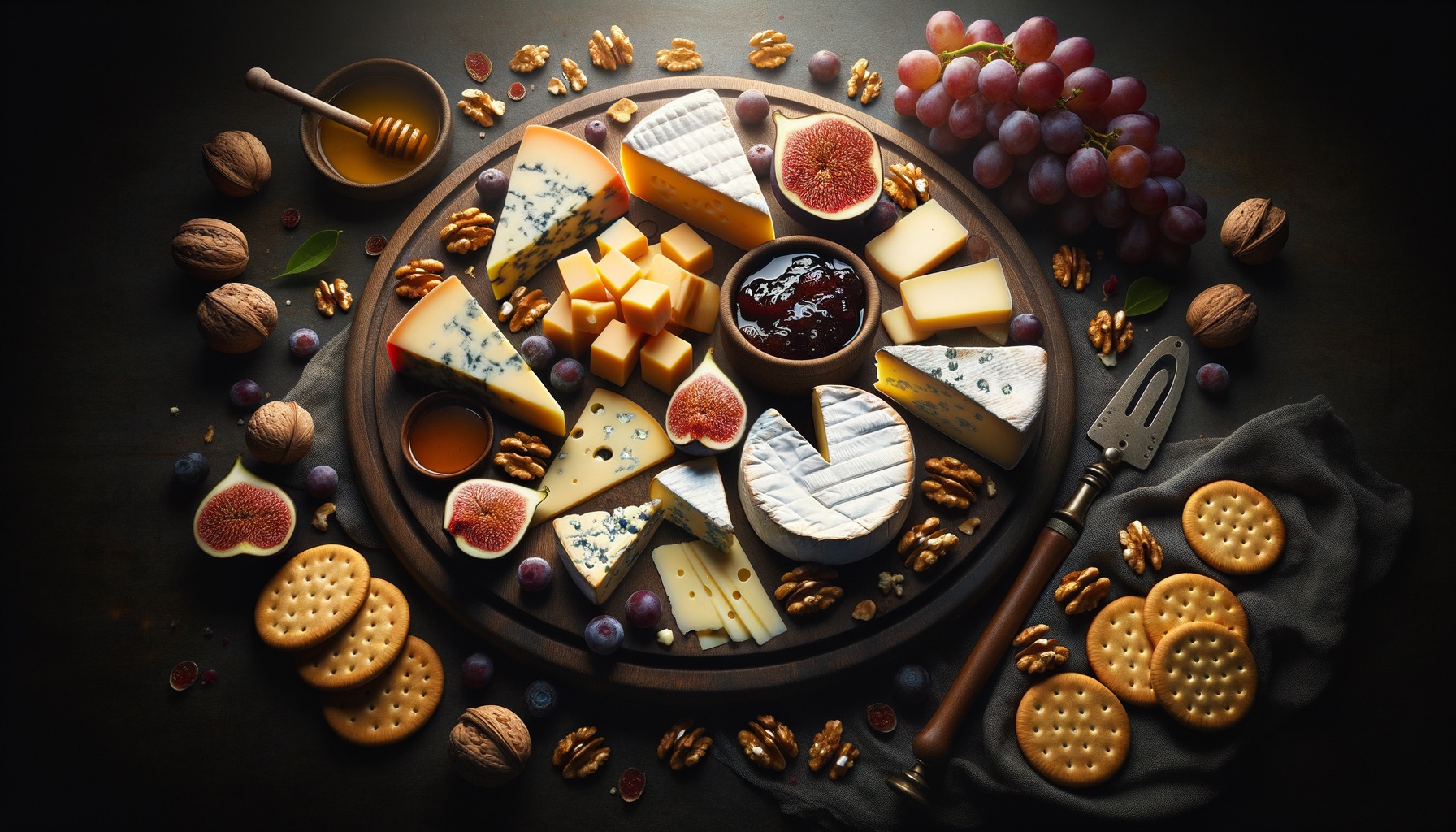
Meats get the spotlight on a charcuterie board, but cheese does the heavy lifting. The right selection creates contrast, fills gaps between bites of salami and prosciutto, and gives guests something to keep reaching for long after the first pass.
Pick randomly and you end up with three versions of the same mild, semi-firm cheese. Pick strategically and every combination on the board tells a different story.
The Cheese Selection Framework
Before listing specific cheeses, understand the system that makes a board work. You need variety across four dimensions:
- Texture: Soft and spreadable, semi-soft, semi-firm, hard and crumbly
- Flavor intensity: Mild and buttery through sharp and pungent
- Milk type: Cow, sheep, goat—each brings a distinct character
- Rind style: Bloomy, washed, natural, waxed
The rule of five: For a standard board serving 6–10 people, select five cheeses that each occupy a different spot on these spectrums. Fewer than three feels thin. More than seven overwhelms.
Soft and Spreadable Cheeses
These are the crowd-pleasers. Creamy, approachable, and versatile enough to pair with almost any meat on the board.
Brie
The undisputed starter cheese for any charcuterie board. French Brie de Meaux is the gold standard—a bloomy white rind encasing a buttery, slightly earthy paste that softens to near-liquid at room temperature.
Why it works: Brie’s mild creaminess balances the salt and fat of cured meats without competing for attention. It acts as a palate reset between bold flavors.
Best meat pairings:
- Prosciutto di Parma—the sweetness of aged ham against soft cream
- Soppressata—Brie tames the spice and garlic
- Bresaola—lean beef finds richness in the cheese
Serving tip: Pull Brie from the fridge 45–60 minutes before serving. Cold Brie is firm and bland. Room-temperature Brie is an entirely different cheese—rich, flowing, and aromatic.
Burrata
If you want a centerpiece that makes people stop and stare, burrata is it. A shell of fresh mozzarella filled with stracciatella—shredded curd swimming in cream.
Why it works: The dramatic interior reveal when you cut it open creates a moment. The cream floods across the board and becomes a dipping medium for everything nearby.
Best meat pairings:
- Coppa—the gentle spice and marbling complement burrata’s richness
- Prosciutto—classic Italian pairing, needs nothing else
- ‘Nduja—spread the spicy, spreadable salami alongside burrata for a hot-and-cool contrast
Serving tip: Burrata is perishable. Add it to the board last, drizzle with good olive oil, crack black pepper over top, and serve immediately.
Chèvre (Fresh Goat Cheese)
Tangy, bright, and distinctly different from cow’s milk cheeses. Fresh chèvre adds acidity to a board that might otherwise lean too rich and heavy.
Why it works: The tang cuts through fat. On a board loaded with salami, coppa, and prosciutto, chèvre provides the contrast that keeps your palate interested.
Best meat pairings:
- Salami—the fat and garlic need chèvre’s acidity
- Finocchiona—fennel-spiced salami and tangy goat cheese is a classic Tuscan combination
- Smoked duck breast—the smoke plays against the bright tang
Serving tip: Roll a log of chèvre in herbs, cracked pepper, or honey before placing on the board. It adds visual interest and a second flavor layer.
Semi-Soft Cheeses
These bridge the gap between spreadable and firm. They slice cleanly, melt on the tongue, and tend to carry more complex flavors than their softer counterparts.
Havarti
Danish Havarti is buttery, slightly tangy, and incredibly easy to eat. It’s the cheese that disappears first because nobody can stop at one slice.
Why it works: Havarti is the diplomat of the cheese board—it plays well with everything and offends no one. For mixed crowds with varying cheese experience, it’s essential.
Best meat pairings:
- Genoa salami—the mildness of both creates an accessible combination
- Black Forest ham—smoky and creamy together
- Turkey bresaola—a lighter pairing for guests who prefer subtlety
Fontina
Italian Fontina Val d’Aosta is nutty, slightly sweet, and has a supple texture that yields under the knife. It’s more interesting than Havarti but equally approachable.
Why it works: Fontina brings warmth and depth without aggression. Its mild nuttiness complements rather than competes with cured meats.
Best meat pairings:
- Speck—smoked ham from the same region, a natural geographical pairing
- Lonza—cured pork loin’s delicate flavor matches Fontina’s subtlety
- Mortadella—the pistachio-studded bologna finds a worthy partner
Semi-Firm to Firm Cheeses
These are the backbone of your board. They hold their shape when sliced, offer more concentrated flavors, and provide textural contrast to the soft cheeses.
Aged Cheddar
Not the orange block from the grocery store. Look for clothbound cheddar aged 12–24 months—crumbly, sharp, with crystalline crunch from tyrosine crystals that developed during aging.
Why it works: Aged cheddar is bold enough to stand next to the most intensely flavored salami on the board. Its sharpness and slight sweetness create a savory-sweet dynamic.
Best meat pairings:
- Soppressata—both are bold, and neither backs down
- Chorizo—the smoky paprika spice meets sharp tang
- Country pâté—rustic and unapologetic together
Serving tip: Break aged cheddar into irregular chunks with a cheese knife rather than cutting clean slices. The rough edges expose more surface area and look more artisanal.
Manchego
Spain’s most famous cheese comes from Manchega sheep and develops increasingly complex flavors as it ages. Young Manchego (under 6 months) is mild and supple. Aged Manchego (12+ months) is firm, nutty, and intensely savory with a slight sweetness.
Why it works: Sheep’s milk brings a flavor profile that cow’s milk simply can’t replicate—richer, slightly gamey, with a lingering finish. It adds geographic diversity to your board.
Best meat pairings:
- Jamón serrano—the definitive Spanish pairing
- Chorizo—Manchego and chorizo share a homeland and a wavelength
- Lomo embuchado—cured pork tenderloin with aged Manchego is pure Spanish elegance
Serving tip: Drizzle aged Manchego with raw honey or serve with quince paste (membrillo). The sweetness amplifies the cheese’s nutty, caramel notes.
Aged Gouda
Young Gouda is mild and rubbery—skip it. Aged Gouda (18+ months) is a revelation: deep amber color, butterscotch and caramel notes, crunchy protein crystals, and a rich sweetness that seems almost impossible from cheese.
Why it works: Aged Gouda is the dessert cheese on your board. Its sweetness and crunch provide a completely different eating experience from everything else.
Best meat pairings:
- Prosciutto—sweet meets sweet in the best way
- Coppa—the caramel notes in aged Gouda complement coppa’s gentle spice
- Finocchiona—fennel and butterscotch is an unexpected combination that works
Gruyère
Swiss Gruyère is dense, nutty, and slightly sweet with a complexity that unfolds as you chew. It’s the cheese that makes fondue great, but it’s equally compelling on a board.
Why it works: Gruyère occupies a unique flavor space—deeply savory with sweet undertones and none of the sharpness of cheddar or the funk of blue cheese. It’s sophisticated without being challenging.
Best meat pairings:
- Jambon de Bayonne—French ham with French-Swiss cheese
- Coppa—nutty cheese with gently spiced meat
- Cornichons alongside—the pickles bridge Gruyère and any cured meat
Bold and Pungent Cheeses
Every board needs at least one cheese that pushes boundaries. These are the conversation starters—the cheeses guests either love or learn to love.
Blue Cheese (Roquefort, Gorgonzola, or Stilton)
Blue cheese is polarizing, which is exactly why it belongs on every serious charcuterie board. The blue-green veins of Penicillium mold create sharp, tangy, sometimes spicy flavors that cut through everything.
Roquefort: French, sheep’s milk, intensely salty and tangy. The most assertive of the three.
Gorgonzola Dolce: Italian, cow’s milk, creamy and milder than Roquefort. The gateway blue cheese for skeptics.
Stilton: English, cow’s milk, crumbly and complex with notes of caramel beneath the funk.
Why it works: Blue cheese provides the high note on your flavor scale. Without it, your board stays in the comfortable middle range. With it, you have full dynamic range.
Best meat pairings:
- Prosciutto—the classic sweet-and-funky combination
- Bresaola—lean beef needs blue cheese’s intensity
- Spicy soppressata—heat and funk together create something electric
- Walnuts and honey alongside—the classic blue cheese trinity
Serving tip: If you’re worried about blue cheese overpowering the board, choose Gorgonzola Dolce. It’s creamy, approachable, and gently introduces the blue cheese flavor profile without the full assault.
Époisses
If you want a cheese that announces itself from across the room, Époisses is your choice. This French washed-rind cheese is legendary for its aroma—pungent, barnyardy, almost aggressive—but its flavor is surprisingly mellow: rich, meaty, and deeply savory.
Why it works: Époisses is an experience. The contrast between its intimidating smell and its gentle, complex flavor teaches guests not to judge cheese by its rind.
Best meat pairings:
- Saucisson sec—the straightforward French salami can handle Époisses’s personality
- Pâté de campagne—rustic and bold together
- Rillettes—two rich, spreadable French preparations on one cracker
How to Arrange Cheeses on the Board
Placement matters as much as selection. Follow these guidelines:
- Start with the largest cheeses. Place your Brie wheel and cheddar wedge first—they anchor the visual layout.
- Separate strong from mild. Put blue cheese on the opposite side of the board from Brie. You don’t want pungent flavors migrating into mild cheeses.
- Pre-slice some, leave others whole. Cut the first few slices of firm cheeses to signal “start here” while leaving soft cheeses whole with a knife for guests to serve themselves.
- Create pairing zones. Group each cheese near its ideal meat companion. Manchego next to chorizo. Brie next to prosciutto. Make the pairings obvious.
- Fill gaps with accompaniments. Honey, fig jam, cornichons, Marcona almonds, dried apricots, and fresh grapes fill visual gaps and provide flavor bridges between cheese and meat.
Cheese Quantities: How Much to Buy
For a charcuterie board that serves as an appetizer:
| Guests | Total Cheese | Per Variety (5 cheeses) |
|---|---|---|
| 4–6 | 12–16 oz | 2.5–3 oz each |
| 8–10 | 20–28 oz | 4–5.5 oz each |
| 12–16 | 32–40 oz | 6.5–8 oz each |
If the board is the main event (no dinner following), increase quantities by 50%.
Temperature and Timing
Cold cheese is muted cheese. Every cheese on your board should come to room temperature before serving.
- Soft cheeses (Brie, burrata, chèvre): 30–45 minutes out of the fridge
- Semi-soft (Havarti, Fontina): 45–60 minutes
- Firm (cheddar, Manchego, Gouda): 60–90 minutes
- Blue cheese: 45–60 minutes
Set cheeses out in stages based on these times. The firm cheeses come out first, the burrata goes out last.
Building Your First Board: A Starter Selection
If you’re overwhelmed by choices, start here. This five-cheese selection covers every category and pairs with any cured meat selection:
- Brie — your soft, crowd-pleasing anchor
- Aged cheddar — your bold, sharp backbone
- Manchego — your sheep’s milk wild card
- Aged Gouda — your sweet, crunchy surprise
- Gorgonzola Dolce — your approachable blue
This selection gives you three milk types, four texture profiles, and a full flavor range from mild to bold. Add honey, crackers, grapes, and cornichons, and you have a board that looks and tastes like it came from someone who knows exactly what they’re doing.
Beyond the Basics
Once you’ve mastered the fundamentals, explore:
- Comté: French alpine cheese with flavors that shift between nutty, fruity, and caramel depending on the season it was made
- Pecorino Romano: Hard, salty Italian sheep’s milk cheese—grate it over the board as a finishing touch
- Taleggio: Washed-rind Italian cheese that’s funky but approachable, with a fruity tang
- Morbier: French cheese with a distinctive ash line through the middle and a surprisingly mild, creamy flavor
- Humboldt Fog: American goat cheese with an ash line and a progression from dense and tangy near the rind to creamy and mild at the center
The best charcuterie boards evolve over time as you learn what you like, what your guests respond to, and which combinations create those moments where everyone stops talking and just eats. For the best meats to pair with your cheese selection, check our companion guide. And when you’re ready to build a board with truly exceptional cured meats, explore The Meatery’s charcuterie collection.
Start with the framework. Trust the pairings. Adjust from there.
Frequently Asked Questions
How many cheeses should I put on a charcuterie board?
For a standard board serving 6-10 people, select five cheeses that cover different textures, flavors, and milk types. Fewer than three feels sparse, while more than seven overwhelms the board and the palate. The key is variety across categories—soft, semi-soft, firm, and bold.
What is the best cheese for a charcuterie board?
There is no single best cheese—the magic is in the combination. However, if you must pick one, Brie is the most universally loved and versatile. It pairs with nearly every cured meat, is approachable for all guests, and its soft, creamy texture provides essential contrast to firm cheeses and meats.
How far in advance can I set out cheese for a charcuterie board?
Set out firm cheeses (cheddar, Manchego, Gouda) 60-90 minutes before serving, semi-soft cheeses 45-60 minutes, and soft cheeses 30-45 minutes. Burrata should go out last, just before guests arrive. Cold cheese is muted cheese—room temperature brings out the full flavor.
How much cheese do I need per person for a charcuterie board?
Plan for 2-3 ounces of cheese per person when the board is an appetizer. If the charcuterie board is the main event with no dinner following, increase to 3-4 ounces per person. For a board with 5 cheeses serving 8 people, buy about 4-5 ounces of each variety.
What cheeses pair best with prosciutto?
Brie and prosciutto is the classic combination—the creamy, mild cheese against sweet, salty ham. Aged Gouda also pairs beautifully with prosciutto, adding butterscotch sweetness. For a bolder option, try prosciutto with Gorgonzola Dolce—the sweet-funky contrast is memorable.
More Charcuterie Guides
What Is Pink Curing Salt? Sodium Nitrite Explained for Home Charcuterie
Pink curing salt is the most essential — and most misunderstood — ingredient in meat curing. This guide explains what it is, why it's pink, how sodium nitrite prevents botulism, proper usage rates, and whether you can cure meat without it.
10 min readHow Long Does Charcuterie Last? Storage Guide for Cured Meats & Cheese
Understanding proper charcuterie storage ensures you enjoy it at peak quality while avoiding food safety risks.
10 min read